
How to Successfully Register a Trademark in the United States
Understanding Trademark Protection in the United States
Overview
In the United States, trademarks play a vital role in distinguishing goods and services of one entity from another in the marketplace. Trademarks can encompass a wide range of items including words, symbols, drawings, and even non-traditional marks like sounds and colors, provided they are distinctive and non-functional. While registration at the United States Patent and Trademark Office (USPTO) confers significant benefits, rights can also exist under common law without formal registration.
Application Requirements and Required Documents
Any individual or entity with a legitimate interest in using a trademark may apply for registration. The applicant should provide a complete description of the mark, including a clear representation (such as a drawing or image) and the goods or services it will represent. A declaration of the applicant’s right to use the mark is also essential, along with the payment of the applicable fees. Registration can be made for words, logos, slogans, colors, sounds, and other distinctive elements that differentiate the applicant’s offerings. More detailed guidelines on required documents can be found on the [USPTO website](https://www.uspto.gov).
Application Process
To register a trademark in the US, the application is submitted to the USPTO. The process begins with a thorough pre-application search to ensure that the mark is not already registered or pending. After submission, the USPTO assigns an examining attorney to evaluate the application. This process includes reviewing the mark’s distinctiveness and its compliance with formal requirements.
Examination Process
The examination involves both formal and substantive assessments. The USPTO examining attorney reviews the application for completeness and compliance with specific trademark laws. The substantive examination focuses on the mark’s distinctiveness, ensuring it doesn’t solely describe the products or services, and that it does not cause confusion with existing registered marks.
Grant, Publication, and Validity Period
If approved, the trademark is published in the Official Gazette, allowing the public a 30-day period to challenge the registration. Absent opposition, the trademark proceeds to registration. Upon registration, the trademark owner gains nationwide rights typical of the protection extending from the application’s filing date and the ability to use the ® symbol. The trademark remains valid for ten years, contingent upon meeting specific maintenance requirements.
Renewal or Maintenance
To maintain registration, a declaration of use must be filed between the fifth and sixth year following registration. Additionally, renewal applications are required every decade to ensure continued protection. Failure to comply with these requirements typically leads to cancellation of rights.
Official Authorities Involved
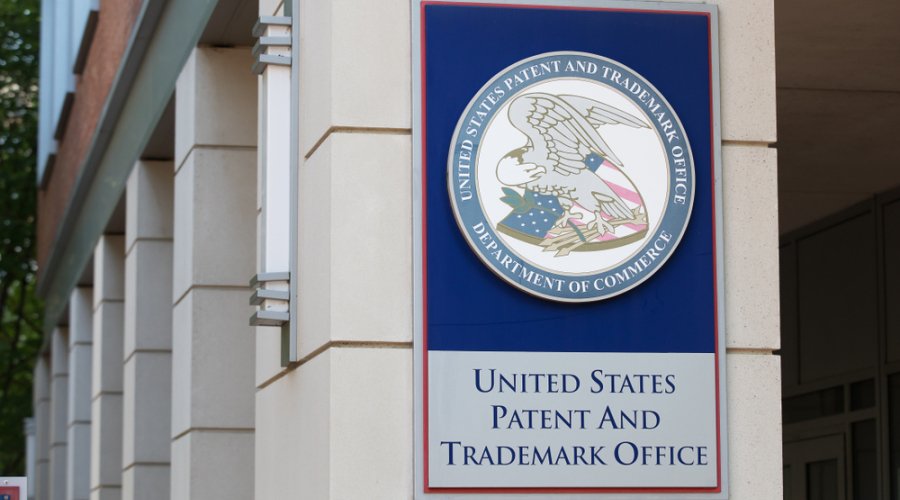
The USPTO, the official body responsible for trademark registration in the US, provides extensive support and resources throughout the application process. Their official website [USPTO.gov](https://www.uspto.gov) is an essential resource for applicants seeking up-to-date guidance on filing procedures and requirements.
Summary
Understanding the nuances of trademark registration in the United States is crucial for any business or creator looking to protect their brand identity. Registration not only solidifies ownership but also minimizes the risk of infringement disputes, facilitates expansion into international markets, and enhances the brand’s commercial value. By navigating the process with thorough understanding and preparation, applicants can maximize the benefits offered by the US intellectual property system.